

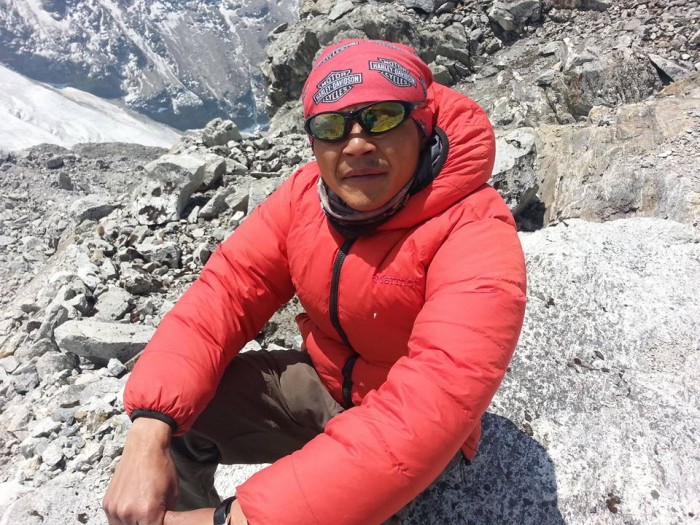
Best Time to Trek Nepal Himalaya
11th Mar, 2026
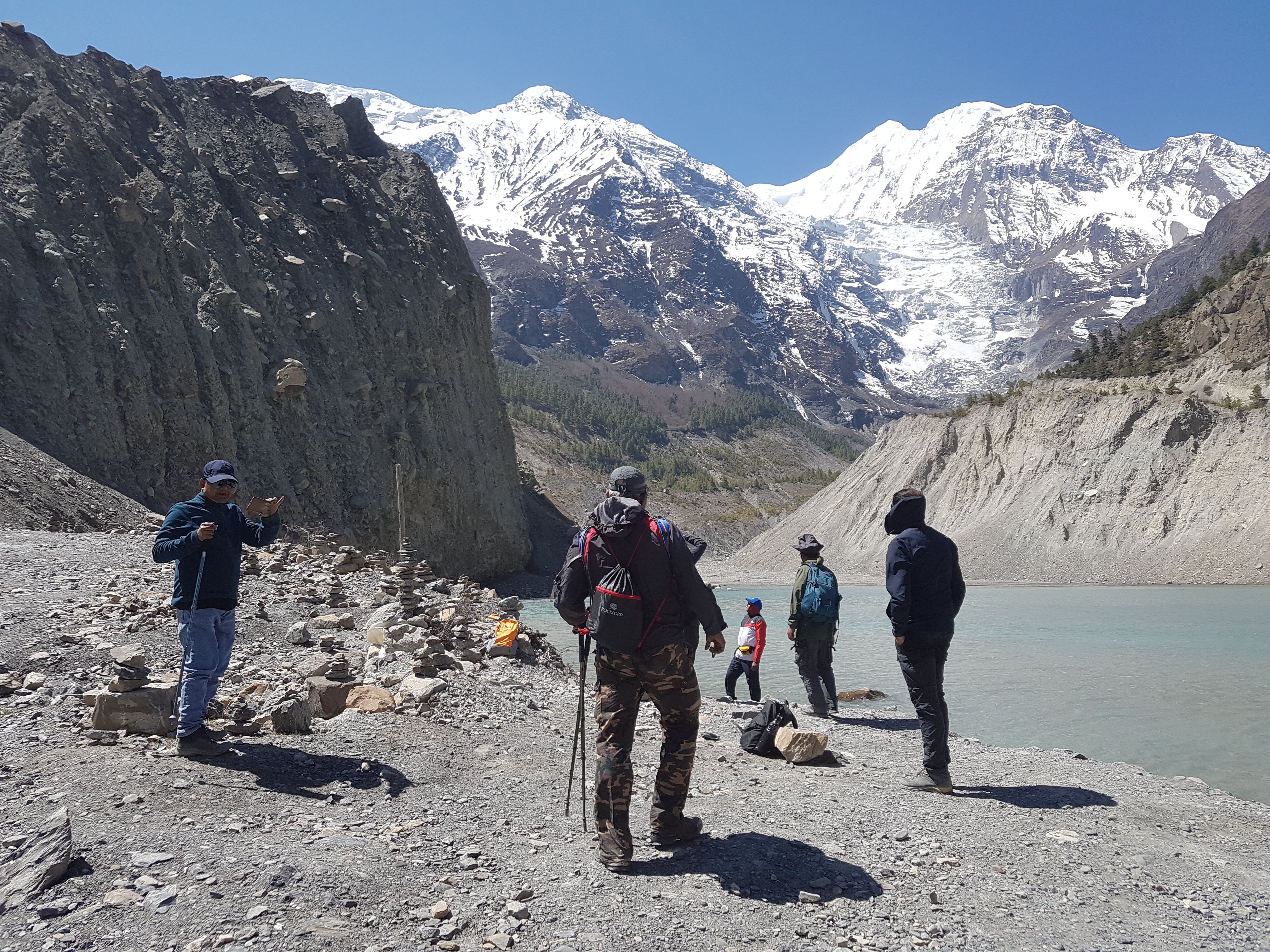
Nepal is one of the world’s most spectacular trekking destinations. Home to eight of the fourteen highest mountains on earth, including Mount Everest, the country attracts thousands of adventurers every year. From the legendary Everest Base Camp Trek to remote trails like Kanchenjunga Base Camp and Panch Pokhari, Nepal offers trekking experiences for beginners and experienced mountaineers alike.
The Himalayan trails take trekkers through alpine forests, glacier valleys, ancient villages, and breathtaking mountain panoramas. Whether you want to trek the famous Annapurna Circuit, explore the peaceful Langtang Valley, or walk the hidden trails of Pikey Peak and Khopra Ridge, Nepal provides unforgettable adventures.
This guide covers everything you need to know about trekking in Nepal, including the best time to trek, costs, permits, guide and porter information, accommodation, food, transportation, and a complete packing list.
Best Time to Trek in Nepal
The best time to trek in Nepal depends on weather, visibility, and trail conditions. Nepal has four trekking seasons: spring, summer (monsoon), autumn, and winter.
Spring Season (March – May)
Spring is one of the most popular trekking seasons in Nepal. The weather is warm and stable, and rhododendron forests bloom along the trails.
Advantages of trekking in spring:
Clear mountain views
Colorful rhododendron forests
Pleasant temperatures
Ideal for high-altitude trekking
Many trekkers choose spring for routes such as Annapurna Base Camp, Everest Base Camp, Langtang Valley, and Mardi Himal.
Temperatures vary depending on altitude, but daytime temperatures at mid-elevations are usually between 10°C and 20°C.
Autumn Season (September – November)
Autumn is considered the best trekking season in Nepal. The monsoon rains wash away dust and pollution, leaving crystal-clear skies and incredible mountain views.
Benefits of trekking in autumn include:
Stable weather
Excellent mountain visibility
Comfortable temperatures
Ideal conditions for high passes
Popular treks such as Everest Base Camp, Annapurna Circuit, and Gokyo Lakes are especially busy during October and November.
Winter Season (December – February)
Winter trekking is quieter and less crowded. While high-altitude areas can be very cold, lower elevation treks are still possible.
Best winter treks:
Pikey Peak
Mardi Himal
Helambu Valley
Ghorepani Poon Hill
Trekkers who prefer peaceful trails often choose winter trekking.
Monsoon Season (June – August)
Monsoon brings heavy rainfall to most trekking regions. Trails can be muddy and slippery, and mountain views may be limited.
However, rain-shadow regions remain excellent destinations.
Best monsoon treks:
Upper Mustang
Dolpo
Nar Phu Valley
These areas receive less rainfall and offer unique landscapes.
Popular Trekking Destinations in Nepal
Nepal has hundreds of trekking routes, ranging from short hikes to multi-week expeditions.
Everest Base Camp Trek
Everest Base Camp is one of the most famous treks in the world. The journey begins with a flight to Lukla and passes through Sherpa villages like Namche Bazaar and Tengboche.
Highlights:
Stunning views of Mount Everest
Sherpa culture and monasteries
Khumbu Glacier
Kala Patthar viewpoint
Duration: 12–14 days
Annapurna Base Camp Trek
The Annapurna Base Camp trek is known for its diverse landscapes and panoramic mountain views.
Highlights:
Annapurna Sanctuary
Machapuchare (Fishtail Mountain)
Gurung villages
Natural hot springs
Duration: 7–12 days
Annapurna Circuit Trek
The Annapurna Circuit is one of the most diverse treks in Nepal.
Highlights:
Thorong La Pass (5,416m)
Mustang region landscapes
Traditional villages
Mountain views of Annapurna and Dhaulagiri
Duration: 12–18 days
Langtang Valley Trek
Langtang Valley is a beautiful trekking region close to Kathmandu.
Highlights:
Langtang National Park
Kyanjin Gompa monastery
Langtang Glacier
Tamang culture
Duration: 7–10 days
Gokyo Lakes Trek
This trek leads to the stunning turquoise lakes of the Everest region.
Highlights:
Sacred alpine lakes
Gokyo Ri viewpoint
Ngozumpa Glacier
Views of Everest, Lhotse, and Cho Oyu
Duration: 12–14 days
Less Crowded Trekking Routes in Nepal
While famous treks attract large crowds, Nepal also offers many peaceful and less crowded routes.
Khopra Ridge Trek
Khopra Ridge is a hidden gem in the Annapurna region.
Highlights:
Khayer Lake
Panoramic Himalayan views
Quiet trails
Duration: 8–10 days
Mardi Himal Trek
Mardi Himal is a short but stunning trek near Pokhara.
Highlights:
Close-up views of Machapuchare
Forest trails
Alpine ridges
Duration: 5–7 days
Pikey Peak Trek
Pikey Peak offers one of the best views of Mount Everest.
Highlights:
Sunrise views of Everest
Sherpa culture
Quiet trails
Duration: 6–8 days
Panch Pokhari Trek
Panch Pokhari is a sacred lake trek northeast of Kathmandu.
Highlights:
Five holy lakes
Tamang and Sherpa villages
Peaceful mountain landscapes
Duration: 8–10 days
Tamang Heritage Trek
This trek explores traditional Tamang culture in the Langtang region.
Highlights:
Cultural villages
Hot springs
Beautiful mountain views
Duration: 6–8 days
Helambu Valley Trek
Helambu is a short trek close to Kathmandu.
Highlights:
Hyolmo culture
Monasteries
Scenic mountain villages
Duration: 5–7 days
Gosaikunda Lake Trek
Gosaikunda is a sacred alpine lake visited by pilgrims and trekkers.
Highlights:
Sacred lakes
Langtang mountain views
High-altitude adventure
Duration: 7–9 days
Kanchenjunga Base Camp Trek
Kanchenjunga is one of the most remote trekking destinations in Nepal.
Highlights:
Wild landscapes
Rare wildlife
Views of the world’s third-highest mountain
Duration: 18–24 days
Upper Mustang Trek
Upper Mustang offers a unique desert-like landscape influenced by Tibetan culture.
Highlights:
Ancient caves and monasteries
Lo Manthang kingdom
Dramatic canyon landscapes
Duration: 12–15 days
Trekking Cost in Nepal
The cost of trekking in Nepal varies depending on duration, trekking region, services, and accommodation.
Average daily trekking budget:
Budget trekker: $25–40 per day
Standard trek: $40–70 per day
Luxury trek: $100+ per day
Guide and Porter Cost
Hiring a guide and porter enhances safety and cultural experience.
Typical daily costs:
Guide: $25 – $35 per day
Porter: $20 – $25 per day
Porters usually carry 20–25 kg of luggage shared between two trekkers.
Trekking Permits in Nepal
Trekkers must obtain permits before entering national parks and conservation areas.
Common trekking permits:
TIMS Card: NPR 2000
Annapurna Conservation Area Permit: NPR 3000
Sagarmatha National Park Permit: NPR 3000
Langtang National Park Permit: NPR 3000
Restricted areas like Upper Mustang require special permits costing about $500 for the first 10 days.
Permits can be obtained through trekking agencies or the Nepal Tourism Board in Kathmandu or Pokhara.
Food and Accommodation During Trekking
Most trekking routes in Nepal have teahouses or lodges that provide basic accommodation and meals.
Accommodation
Teahouse accommodation costs:
Budget rooms: $5 – $10 per night
Mid-range lodges: $10 – $20 per night
Rooms usually include simple beds, blankets, and shared bathrooms.
Food
Typical trekking meals include:
Dal Bhat (rice, lentils, vegetables)
Fried rice
Noodles
Momos
Pancakes
Eggs and toast
Tea and coffee
Meals cost around $20–30 per day during a trek.
Dal Bhat is the most popular meal because it provides unlimited refills and high energy.
Transportation for Trekking
Transportation depends on the trekking region.
Common travel options:
Domestic flights (Everest region)
Tourist buses
Local jeeps
Private vehicles
Example transport routes:
Kathmandu → Lukla flight for Everest treks
Kathmandu → Pokhara tourist bus for Annapurna treks
Kathmandu → Syabrubesi jeep for Langtang treks
Transport costs vary between $10 and $200 depending on distance and type.
Packing List for Trekking in Nepal
Proper equipment is essential for a successful trek.
Clothing
Down jacket
Waterproof jacket
Trekking pants
Thermal layers
Gloves
Warm hat
Trekking socks
Trekking Gear
Backpack (40–60L)
Sleeping bag
Trekking poles
Headlamp
Water bottles
Sunglasses
Personal Items
Sunscreen
First aid kit
Lip balm
Water purification tablets
Snacks
Documents
Passport
Trekking permits
Travel insurance
Passport photos
Packing light but wisely is important for comfortable trekking.
Why Choose Himalayan Adventure Intl Treks
Himalayan Adventure Intl Treks is a trusted trekking company offering professional trekking services across Nepal.
Benefits of trekking with an experienced agency include:
Licensed trekking guides
Safe and well-planned itineraries
Permit management
Comfortable accommodation
Local cultural knowledge
Emergency support and rescue coordination
The company offers trekking packages across Nepal’s most beautiful destinations, including Everest, Annapurna, Langtang, Mustang, and Kanchenjunga.
Trekking in Nepal is a life-changing adventure that offers breathtaking Himalayan landscapes, rich cultural experiences, and unforgettable journeys. Whether you choose the iconic Everest Base Camp trek, the scenic Annapurna Circuit, or the remote trails of Kanchenjunga and Upper Mustang, Nepal provides endless opportunities for exploration.
The best trekking seasons are spring and autumn, when the weather is clear and mountain views are spectacular. With proper planning, the right gear, and support from experienced trekking agencies like Himalayan Adventure Intl Treks, your Himalayan journey will be safe, enjoyable, and truly memorable.
Nepal’s mountains are waiting for you.